Base Torres Hike – Don’t Make These Mistakes in Patagonia
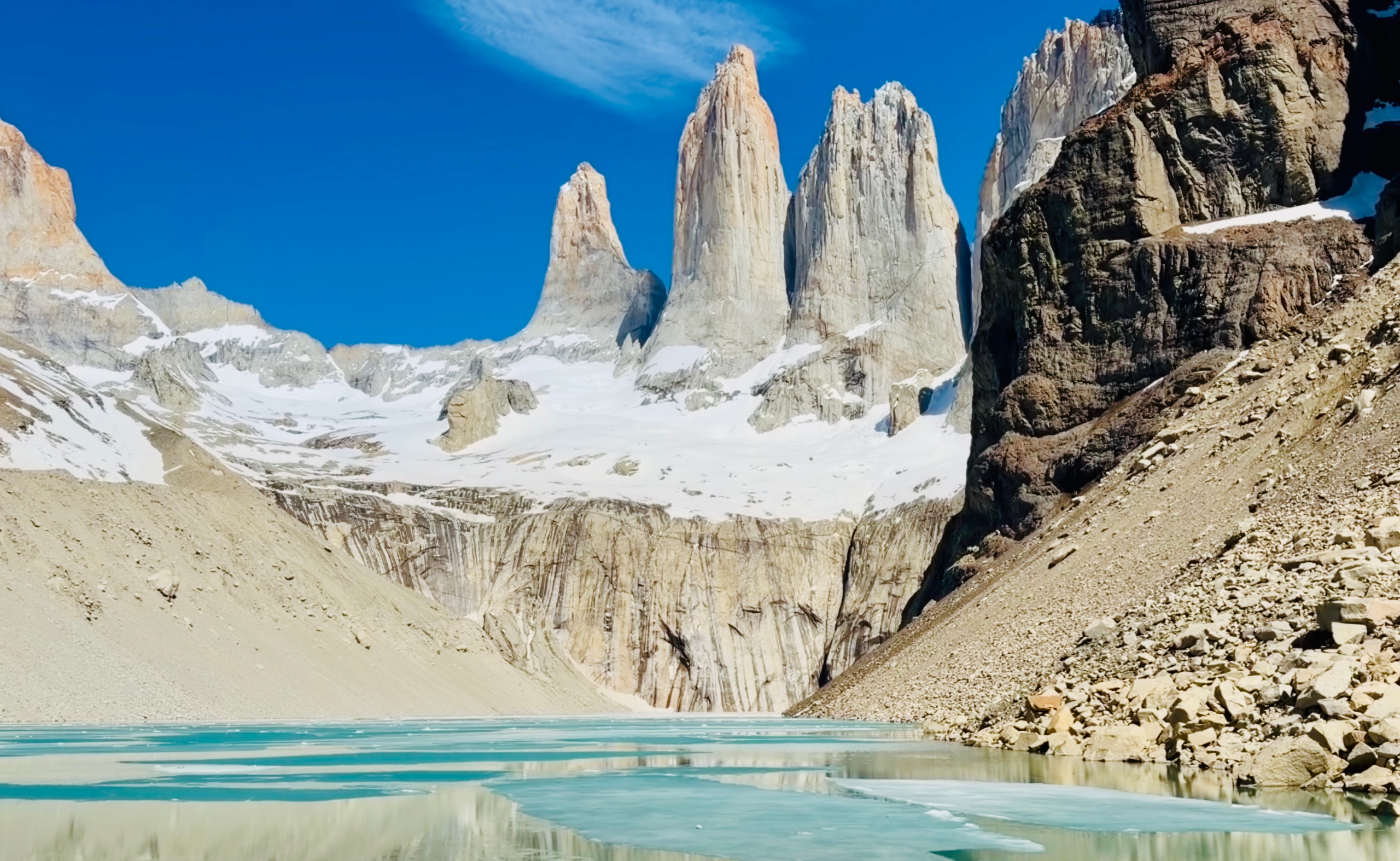
The Base Torres hike is one of the most rewarding day hikes in Torres del Paine National Park, Chilean Patagonia.The trail takes you through wild landscapes shaped by wind, glaciers, and time before reaching the iconic granite towers of Las Torres above a striking turquoise lake.
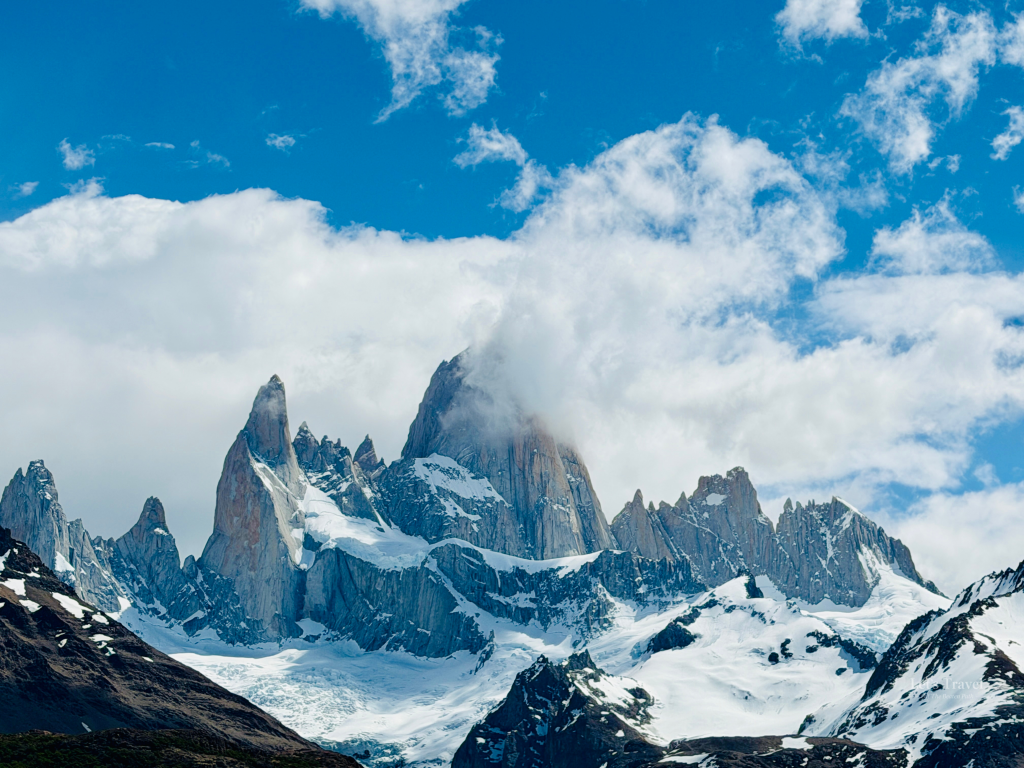
While many travelers head to Mount Fitz Roy in Argentina, the Base Torres hike offers an equally unforgettable experience — and one that rewards you with one of Patagonia’s most spectacular mountain views.
But this hike is not as straightforward as the final viewpoint might make it seem. From unpredictable weather to the demanding final ascent, there are a few things we wish we had known before setting out.
If you’re looking for that “this doesn’t feel real” Patagonia moment — this is it.
Moreover, the hike to Base Torres is one of South America’s most iconic day hikes and highly rewarding.
Quick Overview: Base Torres Hike
- Distance: 20 km (round trip)
- Elevation gain: ~900 m
- Duration: 7–10 hours
- Difficulty: Moderate to challenging
- Starting point: Hotel Las Torres
What Makes This Hike So Special?


Unlike multi-day treks, this hike delivers an unforgettable view in just a single day.
Unlike multi-day treks like the W Trek, this hike gives you access to one of Patagonia’s most iconic viewpoints in a single day.
You’ll experience a constantly changing landscape:
- Wide open valleys with strong Patagonian winds
- Peaceful forest sections with rivers and bridges
- A challenging final climb over loose rocks
- And finally, the breathtaking view of the Torres rising above a glacial lake
It’s not just a hike — it’s a journey through everything that makes Patagonia unique.
Don’t miss our complete guide on the hike to Torres del Paine.
Trail Breakdown: What to Expect
The Easy Start
The trail begins near Hotel Las Torres and starts with a gradual incline.
This section feels relatively easy and is a good warm-up, but don’t underestimate it. As the wind is already strong here, you’ll want to conserve energy for what’s ahead.
Forest Section
After the initial climb, the trail leads into a beautiful forest.
This part is one of the most enjoyable sections of the hike:
- You’re protected from the wind
- The trail is well maintained
- You’ll cross wooden bridges over rivers
- And you might even get your first glimpse of the towers
It’s the perfect place to catch your breath before the final ascent.
Final Climb
OUR EXPERIENCES
We hiked to Base Torres del Paine in November, started early in the morning and experienced mostly sunny skies, moderate temperatures, and very little wind. The trails were also noticeably less crowded than during peak season.
The last section is the most challenging part of the hike.
You’ll climb up a steep moraine with loose rocks and uneven terrain. The wind often picks up here, making it even more demanding.
Take your time, watch your footing, and don’t rush — this is where most of the effort is required.
Moreover, have a look at our Instagram video about Base Torres del Paine to get a realistic sense of what the hike and trail conditions are like.
The View at Base Torres
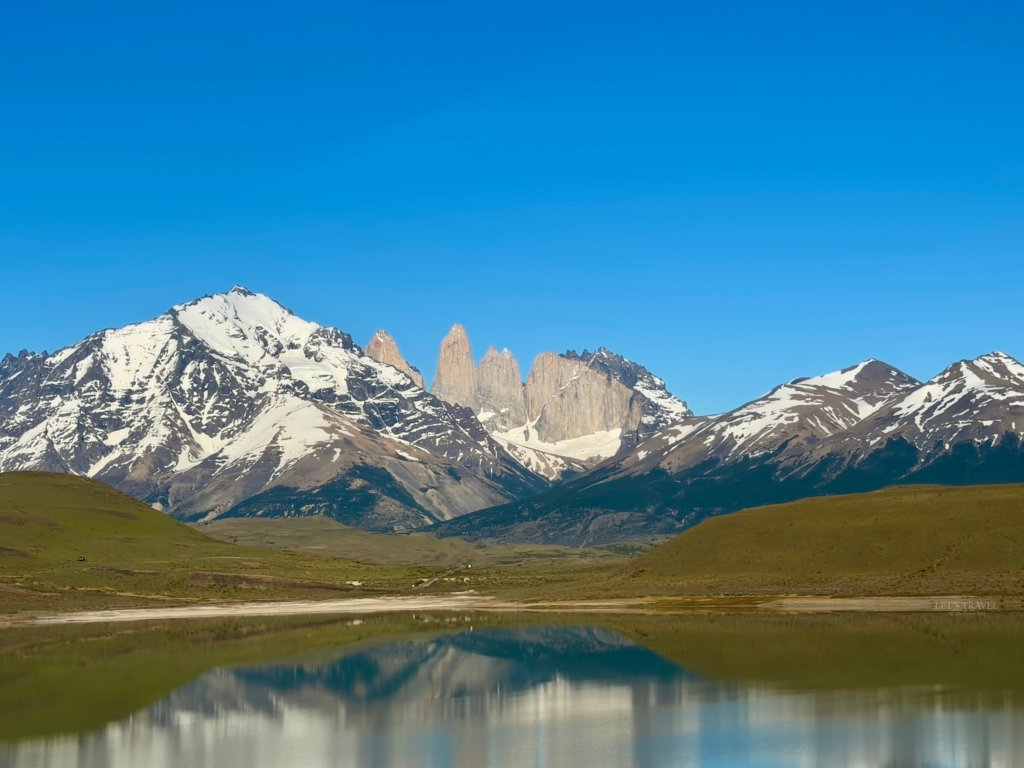
At the top, you’re rewarded with one of the most iconic views in Patagonia.
Three massive granite towers rise dramatically above a turquoise glacial lake, surrounded by rugged peaks and constantly changing weather.
If you arrive early in the morning, you might witness the famous sunrise glow, when the towers turn deep orange — a truly unforgettable sight.

When Is the Best Time to Hike Base Torres?
The best time to hike depends on what kind of experience you’re looking for.
- December to February (Summer): Best weather, but also the busiest
- October to November & March to April: Fewer crowds, more unpredictable weather
- Winter: Only recommended with a guide
Patagonia’s weather is famously unpredictable, so no matter when you go, you should be prepared for all conditions. Therefore, make sure to read our complete guide about the best time to visit Torres del Paine National Park.
How Difficult Is the Base Torres Hike?
The hike is considered moderate to challenging.
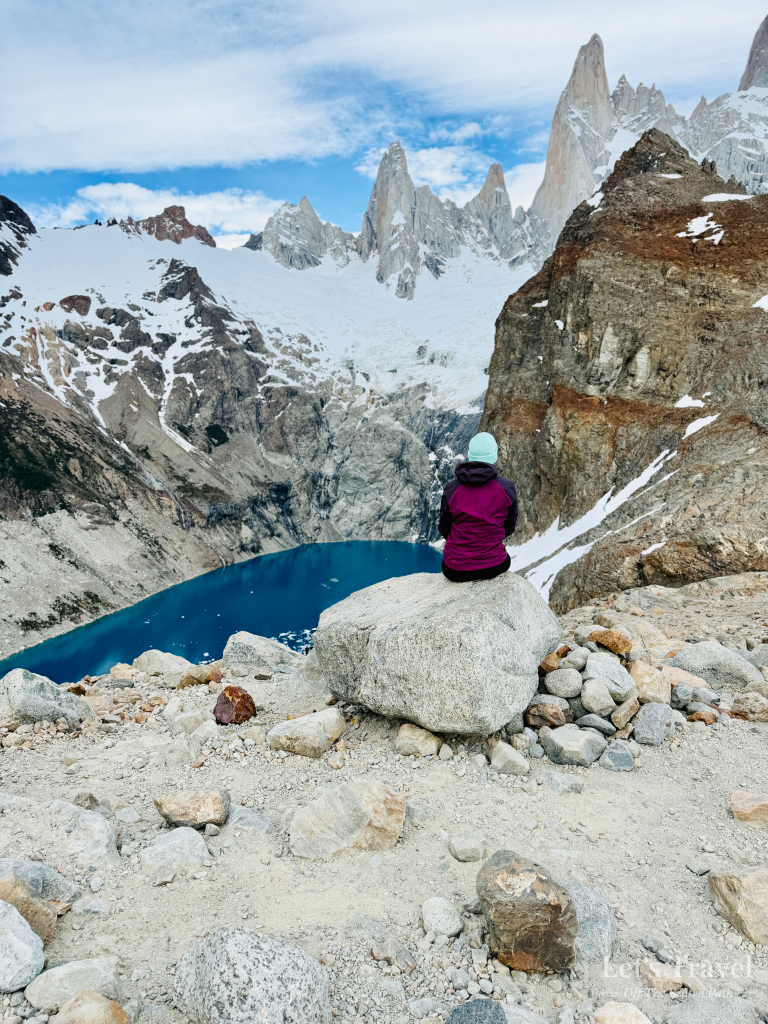
If you’ve already done the Laguna de los Tres hike near Fitz Roy, you’ll have a good idea of what to expect.
The Base Torres hike is:
- Slightly less steep overall
- But longer in distance
- And more exposed to wind
The final climb is the toughest part, but manageable with good pacing and a good physical shape. Therefore, all in all the hike to Base Torres del Paine is challenging at the end, however, not as challenging as the hike to Mount Fitz Roy.
What to Pack for the Hike
Packing the right gear is essential in Patagonia. Therefore, make sure to bring:
Even on sunny days, conditions can change within minutes.
This is the reason why, you should read our guide on what to pack for Torres del Paine in order to be well prepared.
How to Get to Torres del Paine
Most travelers stay in Puerto Natales, the main gateway to the park.
From there, you have several options:
- Rental car (most flexible)
- Shuttle buses
- Organized tours
The drive to the park takes 1.5 to 2 hours.
Is the Base Torres Hike Worth It?
Absolutely. If you’re visiting Chilean Patagonia and only have time for one hike, this should be at the top of your list.
It’s challenging enough to feel rewarding, yet accessible enough to do in a single day — and the final view is simply unforgettable.
Final Thoughts
After hiking both Mount Fitz Roy and Torres del Paine, it’s clear that each offers a unique experience.
Fitz Roy feels like a journey through vast landscapes, while Base Torres delivers a powerful and dramatic finale.
If you can, do both — they perfectly complement each other and showcase the best of Patagonia.